


The Forex Market: The Global Network of Currencies
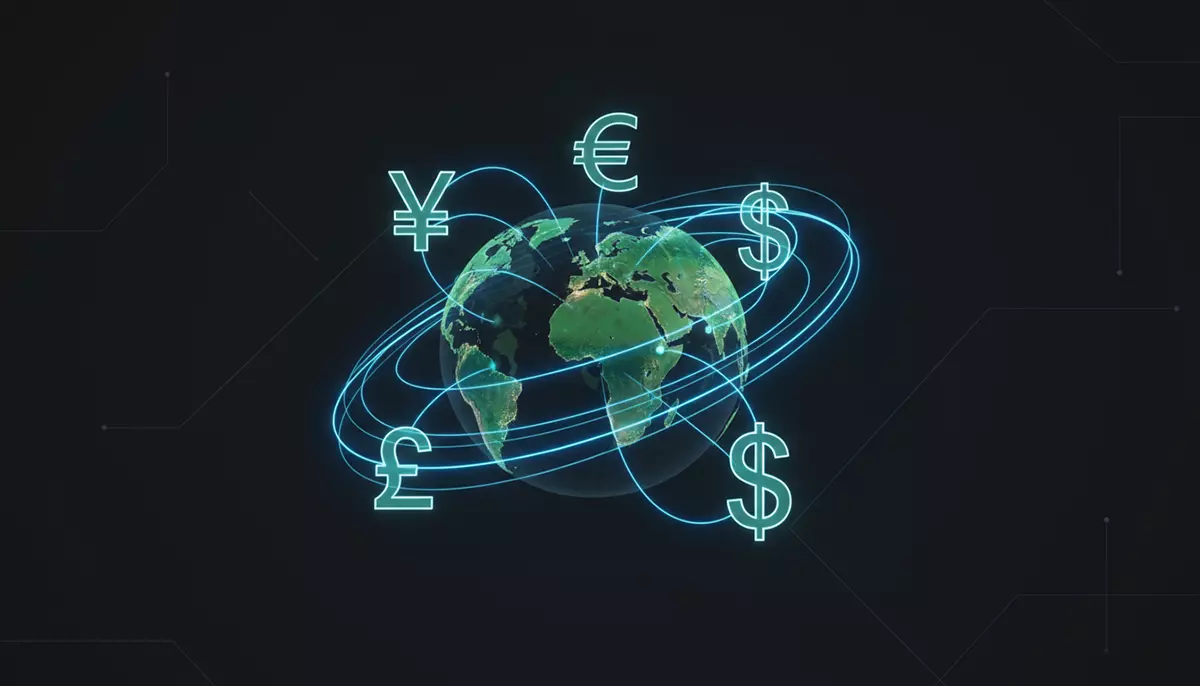
The foreign exchange market, known as forex (Foreign Exchange), is the largest and most liquid financial market in the world. In it, different currencies are traded and exchanged continuously for various reasons, including international trade, investment, speculation, and risk management.
A Decentralized Market
The forex market is decentralized, meaning it doesn’t have a central physical location like a stock exchange. Instead, transactions are carried out through a global network of banks, financial institutions, corporations, and individual traders. Operations are executed electronically, allowing participants to buy and sell currencies continuously.
Liquidity in Forex
The forex market is the most liquid in the world, with a daily transaction volume exceeding $6 trillion. This high liquidity means that traders can enter and exit positions easily and at low cost. Liquidity is essential because it reduces the risk of large price fluctuations caused by major trades, ensuring a more stable market.
24-Hour Market Access
One of the main features of forex is that it operates 24 hours a day on business days. This is due to the overlapping trading hours of major financial centers around the world: London, New York, Tokyo, and Sydney. This continuity allows traders to trade at any time, fitting trading around their schedules and taking advantage of opportunities that may arise at any time of day.
Currency Pairs
Major Pairs:
The most traded and liquid pairs include:
- EUR/USD (Euro / U.S. Dollar)
- USD/JPY (U.S. Dollar / Japanese Yen)
- GBP/USD (British Pound / U.S. Dollar)
- USD/CHF (U.S. Dollar / Swiss Franc)
- AUD/USD (Australian Dollar / U.S. Dollar)
- USD/CAD (U.S. Dollar / Canadian Dollar)
- NZD/USD (New Zealand Dollar / U.S. Dollar)
Minor Pairs:
These exclude the U.S. dollar but still involve major, liquid currencies:
- EUR/GBP (Euro / British Pound)
- EUR/AUD (Euro / Australian Dollar)
- GBP/JPY (British Pound / Japanese Yen)
- CHF/JPY (Swiss Franc / Japanese Yen)
Exotic Pairs:
Exotics include one major currency and one from an emerging market, often resulting in higher volatility and lower liquidity. Examples include:
- USD/TRY (U.S. Dollar / Turkish Lira)
- EUR/TRY (Euro / Turkish Lira)
- USD/SEK (U.S. Dollar / Swedish Krona)
- USD/ZAR (U.S. Dollar / South African Rand)
Currency Correlations
In forex, currencies can be positively or negatively correlated. A positive correlation means two currency pairs move in the same direction, while a negative correlation means they move in opposite directions. Understanding these correlations is crucial for risk management and portfolio diversification.
Price Action in Forex
Price action in forex often moves within ranges because central banks usually implement similar measures to maintain economic stability. This means currencies tend to fluctuate within certain limits instead of making extreme moves. Traders use these tendencies and patterns to make informed decisions.
Leverage in Forex
Leverage allows traders to control large positions with a small amount of their own capital. Forex trading commonly involves high leverage because price movements are smaller compared to other assets. For example, 100:1 leverage means that for every $1 of your own capital, you can control $100 in the market. While leverage amplifies potential profits, it also significantly increases the risk of losses.
News in Forex
Economic and political news has a major impact on exchange rates. Traders must stay updated on global events and key economic reports such as employment data, central bank decisions, and geopolitical developments. The news calendar is a crucial tool in forex trading, as volatility tends to spike before and after major announcements. The ability to anticipate and react properly to news can make the difference between a successful trade and a significant loss.
Conclusion
The forex market offers exciting opportunities for traders looking to profit from currency fluctuations, but it also carries significant risks. A strong understanding of the market, sound risk management, and solid discipline are essential for success in forex trading. With proper preparation, forex can be a valuable addition to any investor’s portfolio.
Ready to Take the Next Step in Forex Trading?
Put your knowledge into action, check our list with the best prop trading firms that offer trading with currencies and start building your trading career today.
The community
Join us on our mission to become the most influential family in funded trading.
Join the DiscordDon't miss anything
Promotions, news and funded trading analysis straight to your inbox.
Don't miss anything
Promotions, news and funded trading analysis straight to your inbox.
Don't miss anything
Promotions, news and funded trading analysis straight to your inbox.
 Prop Firms
Forex vs Futures Prop Firms: Which Type Fits You?
Practical differences between forex and futures prop firms: markets, platforms, drawdown, schedules, fees, and execution style.
 Prop Firms
Refundable Prop Firm Fees: How They Really Work
What a refundable fee really means, when it is returned, and what conditions different prop firms apply in 2026.
 Trading
How Much to Risk per Trade During a Prop Firm Challenge
A practical method for setting trade risk using drawdown, win rate, expected losing streak, and distance to the challenge target.